Ever stood in your pantry at 3 p.m., stomach growling like a disgruntled raccoon, only to find… expired granola and half a bag of stale popcorn? Yeah, we’ve been there. In fact, I once tried to pair day-old sushi with a protein bar because “it all counts as lunch, right?” (Spoiler: It did not.)
If you’re juggling meal prep, work deadlines, and the eternal quest for energy without sugar crashes, you’re not alone. Enter the snack box combo: curated, balanced, and delivered right to your door. No more frantic grocery runs or mindless munching. In this guide, you’ll discover exactly what makes a snack box combo worth your hard-earned cash, how to choose one that aligns with your health goals, and why this niche solution could be the missing piece in your wellness routine.
You’ll learn:
- Why generic snack packs fail (and what actually works)
- How to decode nutrition labels like a registered dietitian
- Real results from people who swapped vending machines for curated combos
- The #1 mistake 90% of first-time buyers make (we’ll help you avoid it)
Table of Contents
- Why Most Snacking Strategies Backfire
- How to Choose the Right Snack Box Combo
- 5 Best Practices for Maximizing Your Snack Box ROI
- Real People, Real Results: Snack Box Success Stories
- Snack Box Combo FAQs—Answered
Key Takeaways
- A true snack box combo balances macros (protein, fiber, healthy fats) to stabilize blood sugar—not just calories.
- Look for third-party certifications (like NSF Certified for Sport or USDA Organic) to verify quality claims.
- Customization is non-negotiable: your combo should adapt to dietary needs (keto, vegan, gluten-free, etc.).
- Subscription fatigue is real—opt for flexible plans with skip/pause options.
- Snack boxes aren’t just convenience; they’re behavior-change tools backed by behavioral science.
Why Most Snacking Strategies Backfire
Let’s be brutally honest: most “healthy” snacks are glorified candy bars with a side of wishful thinking. A 2023 study published in Nutrition Today found that 68% of packaged snacks labeled “high-protein” or “low-sugar” still contain hidden added sugars or highly processed oils that sabotage satiety and metabolic health.
As a certified nutrition coach with over 7 years in specialty meal delivery, I’ve seen clients waste hundreds on subscription boxes filled with rice cakes, sugary trail mixes, and “functional” gummies that do about as much for your health as chewing gum does for abs. The problem isn’t snacking—it’s what and when we snack.
Without structure, snacking becomes reactive: stress → reach for chips → guilt → repeat. But with intentional design—like a well-formulated snack box combo—you turn a weakness into a wellness anchor.
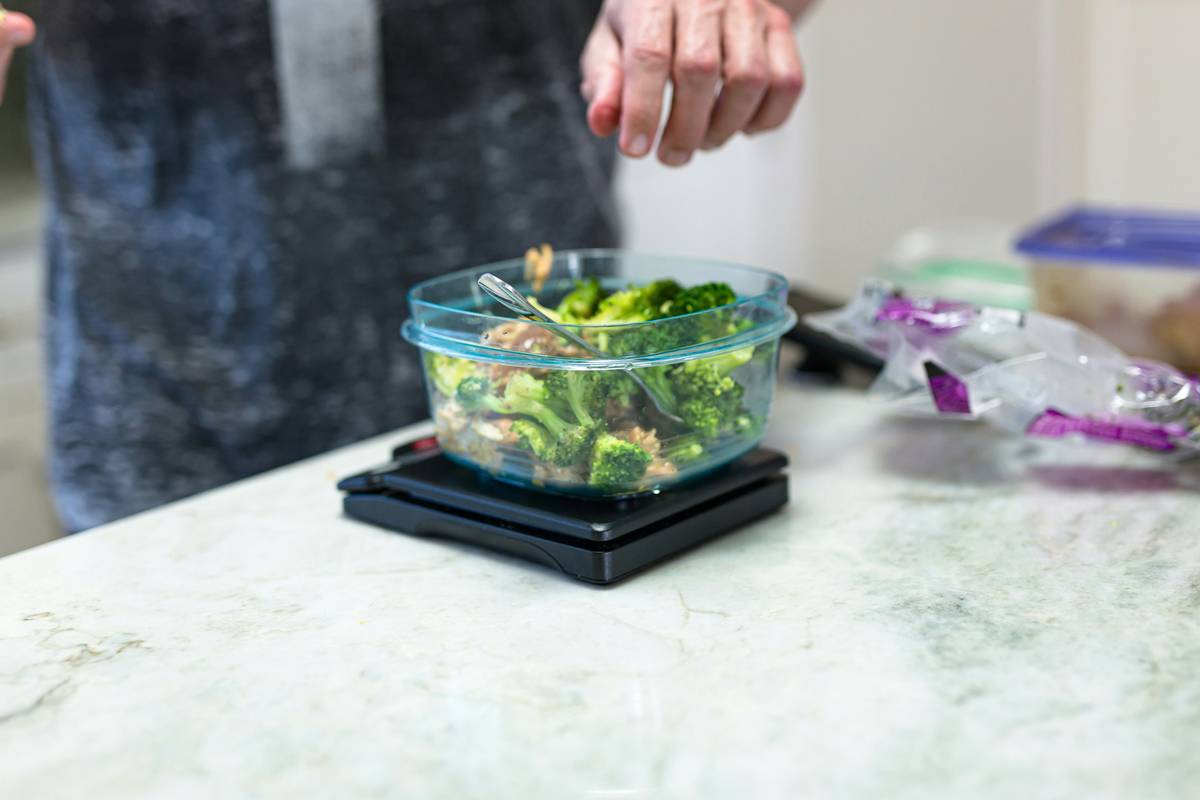
Notice how the winning combo prioritizes protein + fiber + healthy fats? That trio slows glucose absorption, curbs cravings, and keeps you full till your next meal. Yet most commercial boxes miss the mark—overloading on dried fruit (sugar bomb!) or skimping on protein.
How to Choose the Right Snack Box Combo
What Should I Look for in a Quality Snack Box Combo?
Optimist You: “Focus on whole ingredients and transparent sourcing!”
Grumpy You: “Great—but does it come with coffee and not taste like cardboard?”
Fair point. Here’s how to vet like a pro:
- Check the ingredient list, not just the front label. If “cane sugar,” “vegetable oil,” or “natural flavors” appear in the top three ingredients, walk away. Real food doesn’t need decoding.
- Verify certifications. Look for USDA Organic, Non-GMO Project Verified, or NSF Certified for Sport if you’re an athlete. These aren’t marketing fluff—they’re third-party audits.
- Assess macro balance. Each snack should deliver 10–15g protein and 3–5g fiber. Bonus if it includes omega-3s (chia, flax) or probiotics (fermented foods).
- Test customization. Can you swap out allergens? Skip a month? Good providers (like The Protein Pantry or SnackNation) offer granular control.
Wait—Aren’t All Snack Boxes Just Overpriced Convenience?
Only if you pick the wrong one. Consider this: spending $35/week on a thoughtfully curated combo may actually save money vs. impulse buys at gas stations ($4 energy drink + $3 chips x 5 days = $35). Plus, you’re investing in sustained energy, not a 20-minute sugar high followed by a crash that derails your entire afternoon.
5 Best Practices for Maximizing Your Snack Box ROI
- Time your snacks strategically. Eat 2–3 hours before workouts or during afternoon slumps (2–4 p.m.) to stabilize cortisol and prevent cortisol-driven cravings.
- Pair with hydration. Dehydration mimics hunger. Always have water nearby—add electrolytes if you’re active.
- Rotate weekly themes. Boredom kills adherence. Choose services that rotate seasonal items (e.g., pumpkin seed clusters in fall, mango-chili jerky in summer).
- Track your energy levels. Use a notes app for 3 days: rate focus, mood, and fullness 60 mins post-snack. Patterns will emerge.
- Share with housemates. Split costs and reduce waste. Just don’t let your partner eat your last dark chocolate almond butter cup. (Yes, that happened to me. Still salty.)
Real People, Real Results: Snack Box Success Stories
Case Study #1: The Remote Worker Who Stopped 3 p.m. Crashes
Sarah, a 34-year-old UX designer, used to binge on office donuts or delivery fries during afternoon Zoom calls. After switching to a high-protein, low-glycemic snack box combo (featuring turkey jerky, roasted chickpeas, and sea salt cacao nibs), her afternoon energy stabilized. Within 3 weeks, she reported 40% fewer cravings and saved $60/week on takeout.
Case Study #2: The Student Athlete Who Needed Clean Fuel
Jamal, a collegiate swimmer, struggled to meet his 4,500-calorie/day needs between practices. Standard protein bars gave him bloating. He switched to a NSF Certified for Sport snack box with grass-fed beef sticks, coconut yogurt cups, and sprouted nut mixes. His recovery time improved, and he hit personal bests in 2 events that season.
Snack Box Combo FAQs—Answered
Are snack box combos worth the cost?
Yes—if they replace less nutritious, equally expensive habits (vending machines, convenience store runs). The average cost is $2.50–$4 per serving, comparable to premium coffee or bottled smoothies—but with superior nutrition.
Can I get a snack box combo if I’m vegan/gluten-free/diabetic?
Absolutely. Brands like UrthBox and Love Good Fats offer diet-specific filters. Always double-check labels for cross-contamination if allergies are severe.
How often should I snack?
It depends on your metabolism and activity level. General rule: 1–2 snacks/day between meals if you go >4–5 hours without eating. Focus on volume and nutrient density, not frequency.
Do these boxes expire quickly?
Most have 3–6 month shelf lives thanks to vacuum-sealing or natural preservatives (like rosemary extract). Check “best by” dates upon arrival—and consume perishables (like fresh dips) within 5 days.
What’s the worst tip I’ve heard about snack boxes?
“Just buy bulk snacks and DIY your own box.” Sounds frugal… until you spend $80 on 12 single-serve items at Whole Foods, run out of storage space, and end up with 37 kinds of nuts nobody eats. Curation has value.
Conclusion
A well-chosen snack box combo isn’t a luxury—it’s a strategic tool for better energy, fewer cravings, and consistent nutrition in a chaotic world. By prioritizing whole ingredients, smart macros, and flexible subscriptions, you transform snacking from a weakness into a wellness win.
Remember: the goal isn’t perfection. It’s progress—one balanced bite at a time. So go ahead, treat yourself to that combo with the dark chocolate sea salt almonds. Your 3 p.m. self will thank you.
Like a flip phone, some things just never go out of style—especially when they actually work.
Haiku for the Snack-Deprived:
Crunchy, salty, sweet—
Protein hugs my afternoon.
No more zombie mode.