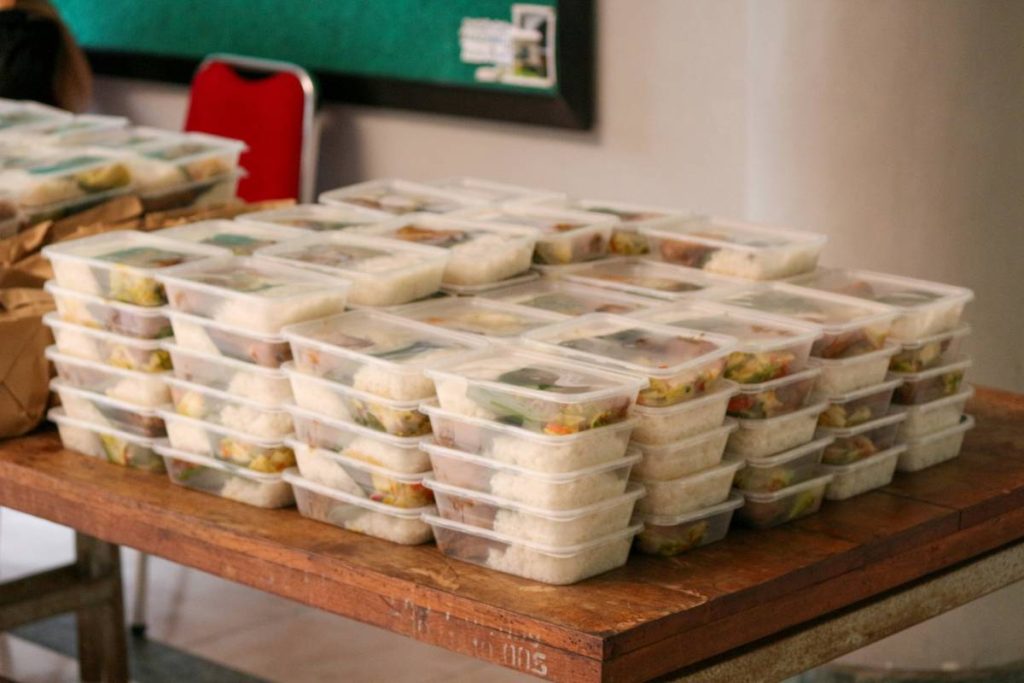
You spend hours sourcing organic chicken, washing kale, and portioning quinoa like a precision chef. Then you toss it all into containers that could be leaching endocrine disruptors every time they hit the microwave. Worse—you assume “microwave-safe” means safe period. It doesn’t. The solution? Ruthlessly vet your storage game. And it starts with one non-negotiable: bpa free plastic.
The Hidden Cost of “Convenient” Containers
Most meal-preppers grab whatever’s on sale at Target or Amazon—often opaque, flimsy tubs labeled “BPA-free” in tiny print… while ignoring other sketchy compounds like BPS or BPF. Regulatory loopholes let manufacturers swap one toxic mimicker for another. Think about it: heating food triggers chemical migration. Even cold storage isn’t risk-free over time—especially with acidic sauces or oily dressings.
And yes, glass is great—until you drop it mid-commute. Durability matters. But durability shouldn’t mean compromising safety.
Your Step-by-Step Guide to Choosing Truly Safe Meal Prep Containers
Look Beyond the Label Hype
“BPA-free” is table stakes—not a badge of honor. Dig into the resin identification code (that little triangle number). Avoid #3 (PVC), #6 (polystyrene), and #7 (often contains hidden bisphenols). Stick with #5 (polypropylene) or verified #2 (HDPE).
Test for Real-World Performance
Does the lid actually seal when stacked in a backpack? Can it survive 30-second microwave bursts without warping? Drop-test resilience matters as much as chemical safety. We’ve seen too many “eco-friendly” containers crack after two weeks.
Compare Long-Term Value vs. Upfront Cost
Dollar-store bins cost less upfront—but replacing them monthly adds up. Premium, genuinely inert containers last years. Below’s how the math shakes out:
| Container Type | Upfront Cost (4-pack) | Estimated Lifespan | Cost Per Month | BPA & Analog Risk |
|---|---|---|---|---|
| Generic Store Brand | $8 | 2 months | $4.00 | High (often #7 unverified) |
| Moderate BPA-Free Brand | $22 | 8 months | $2.75 | Medium (may use BPS) |
| Premium Verified BPA Free Plastic | $36 | 24+ months | $1.50 | Very Low (3rd-party tested) |
The Industry Secret No One Talks About
Here’s the reality: most meal delivery services using “eco-conscious” packaging still rely on recycled plastics that may contain legacy BPA from previous life cycles. Recycling streams aren’t perfect filters. And if the resin code says #1 (PET)? Don’t reuse it. It’s designed for single-use—repeated exposure degrades it into antimony or acetaldehyde.
But—and this is key—the safest reusable containers often come from brands that publish full material disclosure reports. Not just “BPA-free,” but “tested free of 20+ endocrine disruptors.” That transparency costs more. But your hormonal balance isn’t negotiable.
Frequently Asked Questions
Are all BPA-free plastics truly safe?
No. Many replace BPA with BPS or BPF—similar endocrine disruptors. Look for third-party certifications like NSF or Prop 65 compliance.
Can I microwave bpa free plastic safely?
Only if explicitly labeled microwave-safe. Heat accelerates chemical leaching—even in BPA-free types. When in doubt, transfer to glass.
How do I know if my container is really BPA free?
Check the recycling code (#5 is safest). Avoid #7 unless verified. Reputable brands list full material specs online—demand proof.