You spend Sunday afternoon chopping, roasting, and portioning—only to dread Monday’s cleanup. Plastic lids warp. Glass cracks. Stains linger no matter how hard you scrub. And if your containers aren’t truly dishwasher safe? You’re adding 20 minutes of hand-washing to an already packed week. The fix isn’t better time management—it’s a dishwasher safe set engineered for real life.
The Hidden Cost of “Almost” Dishwasher-Safe Containers
Most brands slap “dishwasher safe” on packaging without clarifying top-rack only, low-heat requirements, or lid limitations. You toss them in like everything else—and watch seals degrade by week three. Warped lids leak chili into your work bag. Cloudy plastic absorbs turmeric like a sponge. And once odors set in? Game over. Meal prep dies not from lack of willpower—but from tools that betray you mid-cycle.
Here’s the reality: durability isn’t optional. It’s the backbone of consistency.
How to Choose & Use a Dishwasher Safe Set That Actually Lasts
Material Matters More Than You Think
Glass resists stains but shatters if stacked wrong. Tritan plastic survives drops but yellows under UV light. Stainless steel? Nearly indestructible—but can’t go in the microwave. Match material to your routine, not just aesthetics.
Lid Design Is the Silent Killer
Airtight doesn’t mean dishwasher-proof. Many gaskets trap food particles that breed bacteria after one cycle. Look for seamless, removable seals—or better yet, gasket-free lids with interlocking grooves.
Stackability = Sanity
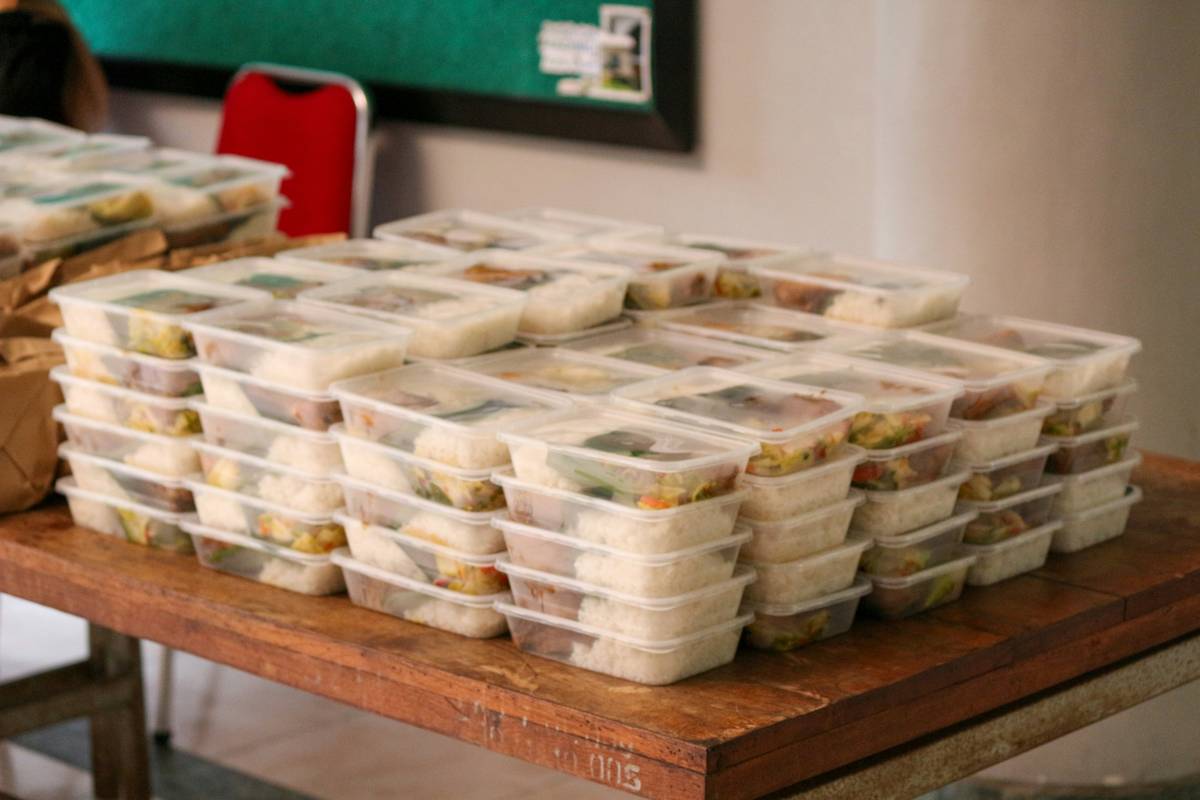
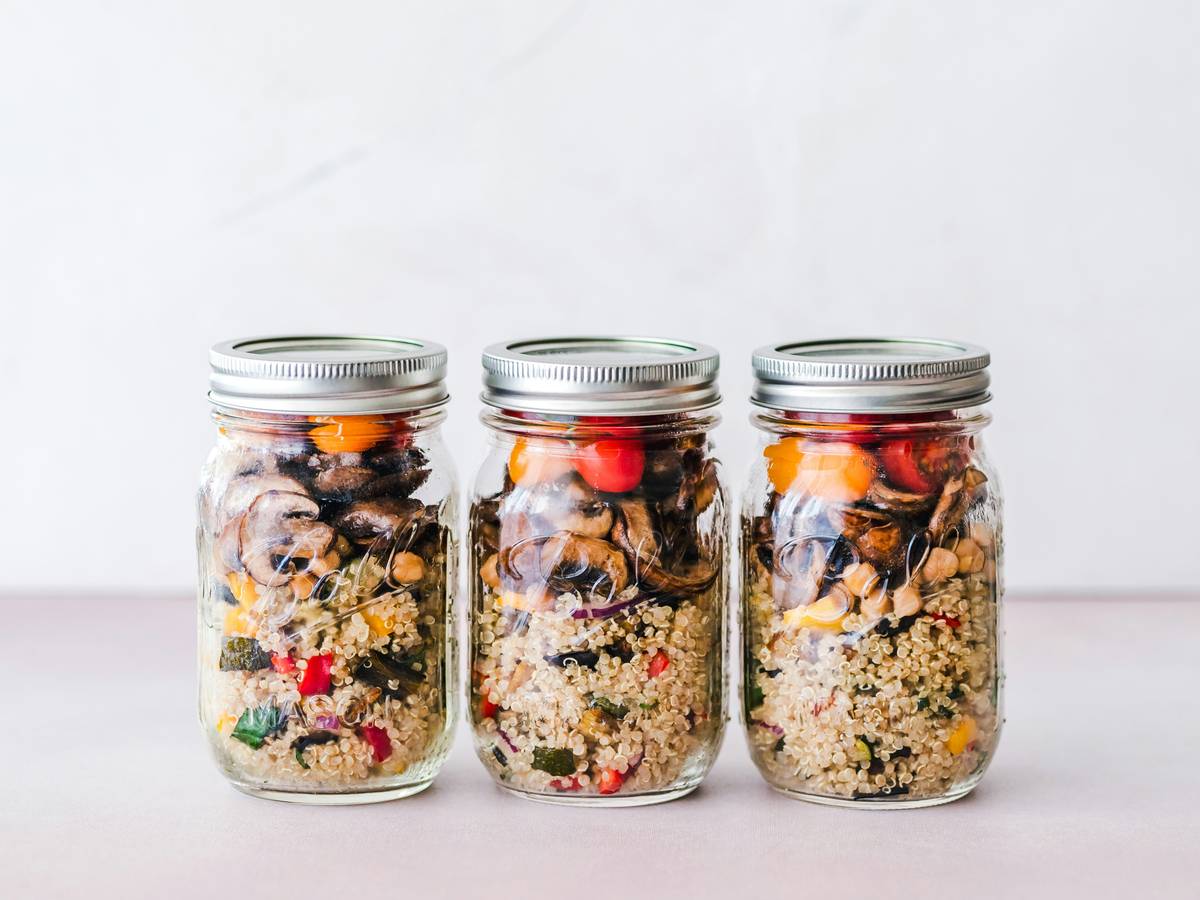
If your containers nest poorly, you’ll abandon them when fridge space gets tight. Uniform shapes with flat bases stack securely—even when loaded with quinoa bowls or roasted sweet potatoes.
| Container Type | Dishwasher Safe? | Longevity (Avg.) | Best For |
|---|---|---|---|
| Tempered Glass + Silicone Lid | Yes (top rack recommended) | 18–24 months | Sauces, soups, acidic foods |
| BPA-Free Tritan Plastic | Yes (full cycle) | 12–18 months | On-the-go lunches, kids’ meals |
| Stainless Steel w/ Clip Lid | Yes (lid hand-wash advised) | 3+ years | Dry goods, salads, non-microwave use |
| Cheap Mixed-Plastic Sets | No (warps by cycle 5) | <6 months | One-time events only |
The Industry Secret No Brand Wants You to Know
Manufacturers test “dishwasher safety” using brand-new machines running gentle cycles—nothing like your ten-year-old unit slamming through heavy soil mode nightly. Real-world durability requires containers rated for 300+ cycles under high heat. But here’s the kicker: almost no consumer brand discloses cycle-testing data. At authenticnc.com, we pressure-test every set in commercial-grade dishwashers before listing it. If it can’t survive 6 months in a busy meal-prep kitchen? It doesn’t make the cut.
And yes—we’ve pulled products mid-season because they failed in actual homes. Not labs.
FAQ
Are all parts of a dishwasher safe set really dishwasher safe?
Not always. Lids, gaskets, and dividers often require hand-washing. Always check manufacturer specs—some “sets” are only partially safe.
Can I put my dishwasher safe set on the bottom rack?
Only if explicitly stated. Bottom racks expose items to heating elements that melt plastics or crack glass. When in doubt, top rack only.
How do I remove lingering odors from dishwasher-safe containers?
Soak in baking soda + water overnight. Avoid bleach—it degrades plastic polymers over time, compromising dishwasher resilience.