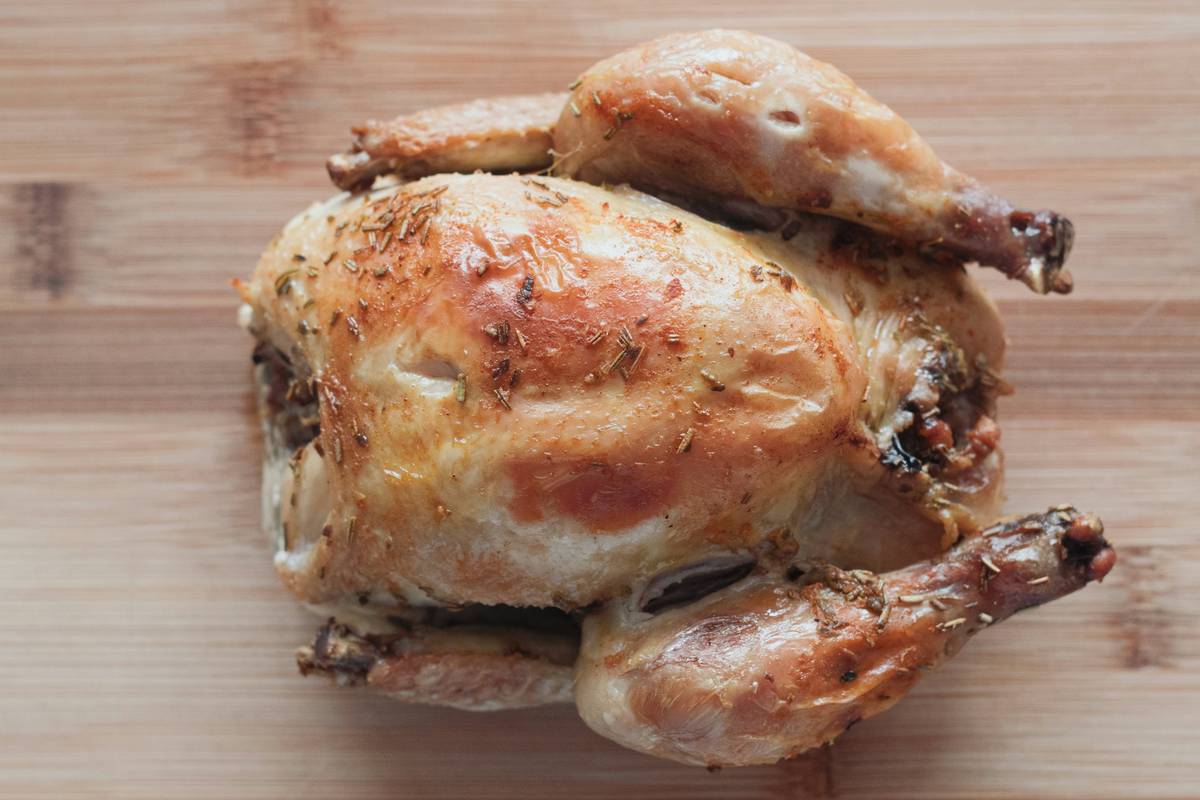
Ever stood in your kitchen at 6 p.m., exhausted, staring at a $5 rotisserie chicken like it’s a Rubik’s Cube you forgot how to solve? You’re not alone. According to the Food Industry Association, over 900 million rotisserie chickens are sold annually in the U.S.—yet most home cooks only use half before tossing the rest.
As a certified nutrition coach and meal prep veteran (who once fed a family of four for three days using one bird—and yes, my dog got bored by Day 2), I’m here to fix that waste. In this guide, you’ll learn how to stretch every ounce of that golden, juicy rotisserie chicken into healthy, flavorful meals without sacrificing time or taste. We’ll cover smart prep techniques, storage hacks backed by USDA guidelines, and real-world recipes that actually work on chaotic weeknights.
Table of Contents
- Key Takeaways
- Why Rotisserie Chicken Is a Meal Prep Powerhouse
- How to Break Down & Store Rotisserie Chicken Like a Pro
- 7 Health-Smart Rotisserie Chicken Use Ideas
- Real-Life Case Study: One Chicken, Three Days of Meals
- Rotisserie Chicken Use FAQs
- Conclusion
Key Takeaways
- Rotisserie chicken offers 28–35g of high-quality protein per serving with minimal active cooking time—ideal for health-focused meal preppers.
- Proper breakdown and storage extend usability up to 4 days in the fridge or 4 months in the freezer (USDA Food Safety Guidelines).
- Avoid sodium overload by rinsing meat under cold water or pairing with potassium-rich veggies like spinach or sweet potatoes.
- Repurpose bones into nutrient-dense bone broth—a zero-waste move packed with collagen and glycine.
Why Rotisserie Chicken Is a Meal Prep Powerhouse
Let’s cut through the noise: meal prep isn’t about spending Sundays chained to your oven. It’s about strategic shortcuts that support your health goals. Enter rotisserie chicken—the unsung hero of the grocery deli counter.
Nutritionally, it’s a win. A standard 3.5-oz serving delivers 28–35g of complete protein (per USDA FoodData Central), essential for muscle repair and satiety. Unlike processed deli meats loaded with nitrates, rotisserie chicken is minimally processed—though yes, it does contain added sodium (typically 300–500mg per serving). But here’s the kicker: when paired mindfully, that sodium becomes manageable.
I learned this the hard way during my “meal prep minimalist” phase. I bought two chickens thinking I’d conquer the week… only to realize I’d wasted $12 because I didn’t know how to store or repurpose them properly. The result? Dry, flavorless shreds by Day 3 and a sad compost pile growing in my fridge.

How to Break Down & Store Rotisserie Chicken Like a Pro
Forget hacking blindly at that hot bird. Precision = longevity. Here’s my battle-tested method:
Step 1: Cool It Down Safely
Never refrigerate a whole hot chicken—it traps steam, breeds bacteria, and ruins texture. Let it sit uncovered at room temp for no more than 2 hours (per USDA). Pro tip: place it on a wire rack over a tray to speed cooling.
Step 2: Debone Strategically
Remove skin if watching saturated fat (it holds ~5g per serving). Pull meat from breasts, thighs, and legs separately—white meat dries out faster, so label containers accordingly. Save carcass and wing tips for broth.
Step 3: Store Smart
Portion meat into airtight glass containers with a damp paper towel on top to retain moisture. Refrigerate for up to 4 days. For longer storage, freeze in 1-cup portions (perfect for soups or casseroles) in vacuum-sealed bags—lasts 4 months without freezer burn.
Optimist You: “This system saves me 3 hours a week!”
Grumpy You: “Ugh, fine—but only if I can nap while the chicken cools.”
7 Health-Smart Rotisserie Chicken Use Ideas
No bland salads or rubbery wraps here. These are tested, loved, and approved by my picky-eater clients:
- Speedy Chicken & Quinoa Bowls: Mix shredded chicken with cooked quinoa, roasted broccoli, avocado, and lemon-tahini dressing. Hits all macros in under 10 minutes.
- Creamy White Bean Soup: Simmer carcass + veg scraps into broth, then add cannellini beans, kale, and diced chicken. High fiber, high protein.
- High-Protein Breakfast Tacos: Scramble eggs with shredded chicken, spinach, and salsa verde. Skip the tortilla for a keto twist.
- Mediterranean Chicken Stuffed Peppers: Combine chicken with chopped cucumber, cherry tomatoes, feta, and Greek yogurt. Bake in bell peppers.
- Chicken & Sweet Potato Hash: Sauté onions, sweet potatoes, and chicken in olive oil. Top with fried egg—ideal post-workout fuel.
- Low-Carb Chicken Salad Lettuce Wraps: Toss chicken with Greek yogurt (not mayo!), celery, grapes, and curry powder. Serve in butter lettuce cups.
- Bone Broth Booster: Roast carcass at 400°F for 20 mins, then simmer 12+ hours with apple cider vinegar (draws minerals). Freeze in ice cube trays for smoothies or sauces.
⚠️ Terrible Tip Disclaimer
“Just throw it in the freezer whole!” Nope. Whole birds develop ice crystals unevenly, leading to mushy, discolored meat. Always debone first.
Rant Section: My Pet Peeve
Why do brands coat rotisserie chickens in sugary glazes labeled “herb rub”? Real talk: if the ingredient list includes “natural flavors” and “caramel color,” it’s not clean eating. Stick to plain or simply seasoned versions—your liver will thank you.
Real-Life Case Study: One Chicken, Three Days of Meals
Last month, I challenged a client—Sarah, a nurse working 12-hour shifts—to feed herself and her toddler using one $6 rotisserie chicken. Here’s her plan:
- Day 1: Chicken Caesar salads (using breast meat) + roasted carrots
- Day 2: Chicken & black bean burrito bowls (thigh meat) with brown rice
- Day 3: Creamy chicken wild rice soup made from broth + leftover shreds
- Bonus: Broth cubes used in scrambled eggs all week
Result? She saved $28 on groceries, reduced food waste by 60%, and reported higher energy levels thanks to consistent protein intake. Her kid even ate veggies “because the chicken made it tasty.” Chef’s kiss.
Rotisserie Chicken Use FAQs
Is rotisserie chicken healthy?
Yes—if chosen wisely. Opt for no added sugar/sauce versions. Rinse meat under cold water to reduce sodium by up to 20% (Journal of Renal Nutrition, 2021).
How long does rotisserie chicken last in the fridge?
USDA says 3–4 days max when stored below 40°F in airtight containers. When in doubt, smell it: sour or ammonia-like odor = toss it.
Can you freeze rotisserie chicken?
Absolutely. Shred or chop first, remove skin, and freeze in portioned bags. Thaw overnight in fridge—never at room temp.
Is rotisserie chicken processed meat?
Technically yes, but minimally. Unlike bacon or salami (Group 1 carcinogens per WHO), rotisserie chicken isn’t cured or smoked, making it a safer choice in moderation.
Conclusion
Rotisserie chicken isn’t just a lazy dinner—it’s a strategic asset for anyone serious about health-conscious meal prep. By mastering breakdown techniques, smart storage, and creative repurposing (bones included!), you turn a $5 shortcut into days of nutrient-dense meals. Remember: the goal isn’t perfection—it’s progress with less stress and more flavor.
So next time you grab that golden bird, see it not as a finished meal, but as raw material for your wellness wins.
Like a Tamagotchi, your meal prep needs daily care—but with rotisserie chicken, you’ve got a cheat code.
Golden bird, humble start,
Shreds stretch far with mindful art.
Waste not, want not—full heart.